

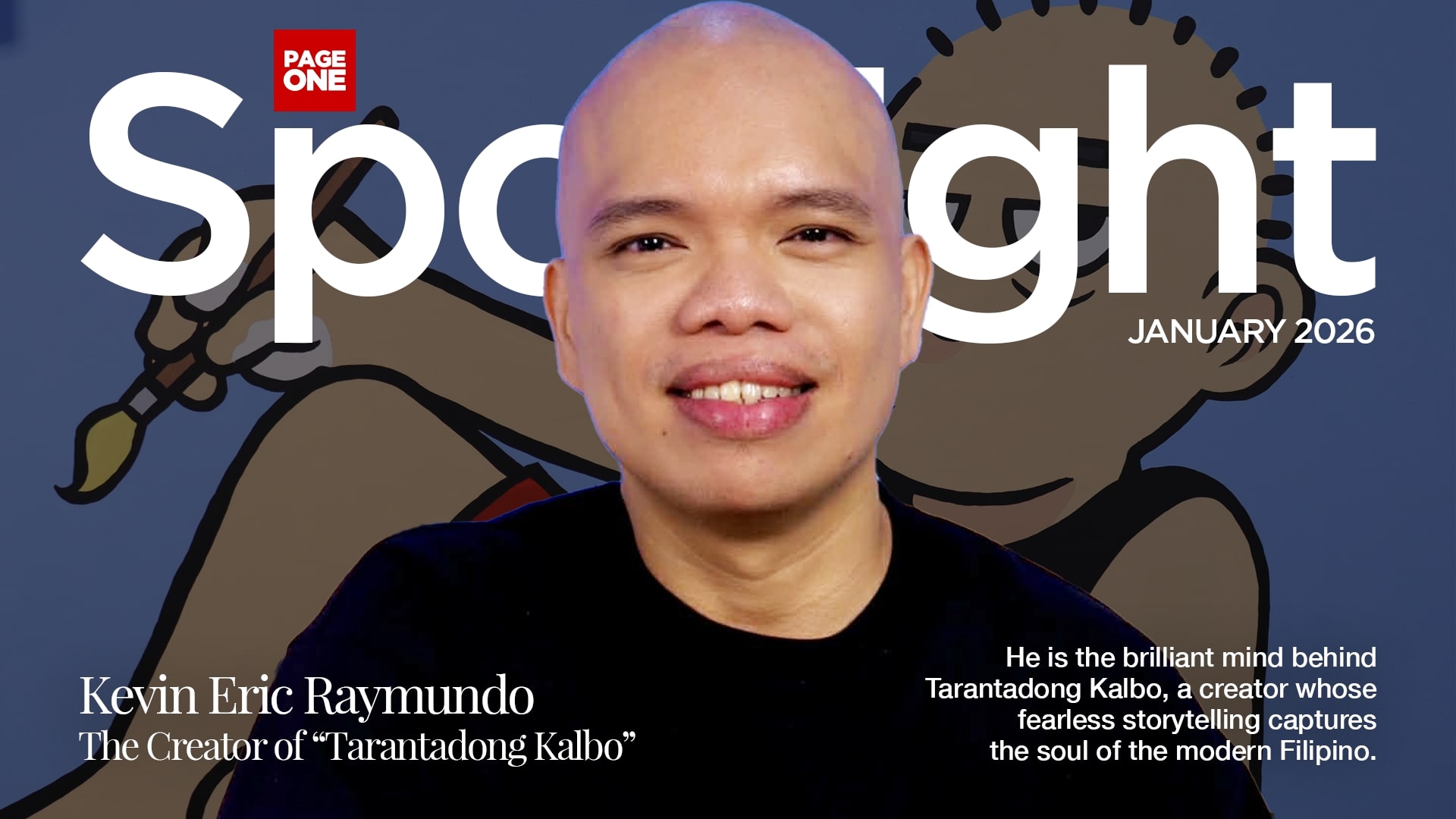







Political satire often looks effortless once it reaches the screen. A few lines, a familiar figure, a punchline that lands quickly. But for Kevin Raymundo, the mind behind Tarantadong Kalbo, the work begins far earlier than the moment people scroll past it on their feeds.
When dealing with political and social issues, Raymundo is deliberate about preparation. “When addressing complex political or social issues, I believe in doing the groundwork first,” he says. That groundwork means gathering facts and listening to different perspectives before arriving at a conclusion. For him, satire is not an excuse to simplify truth, but a way to clarify it.
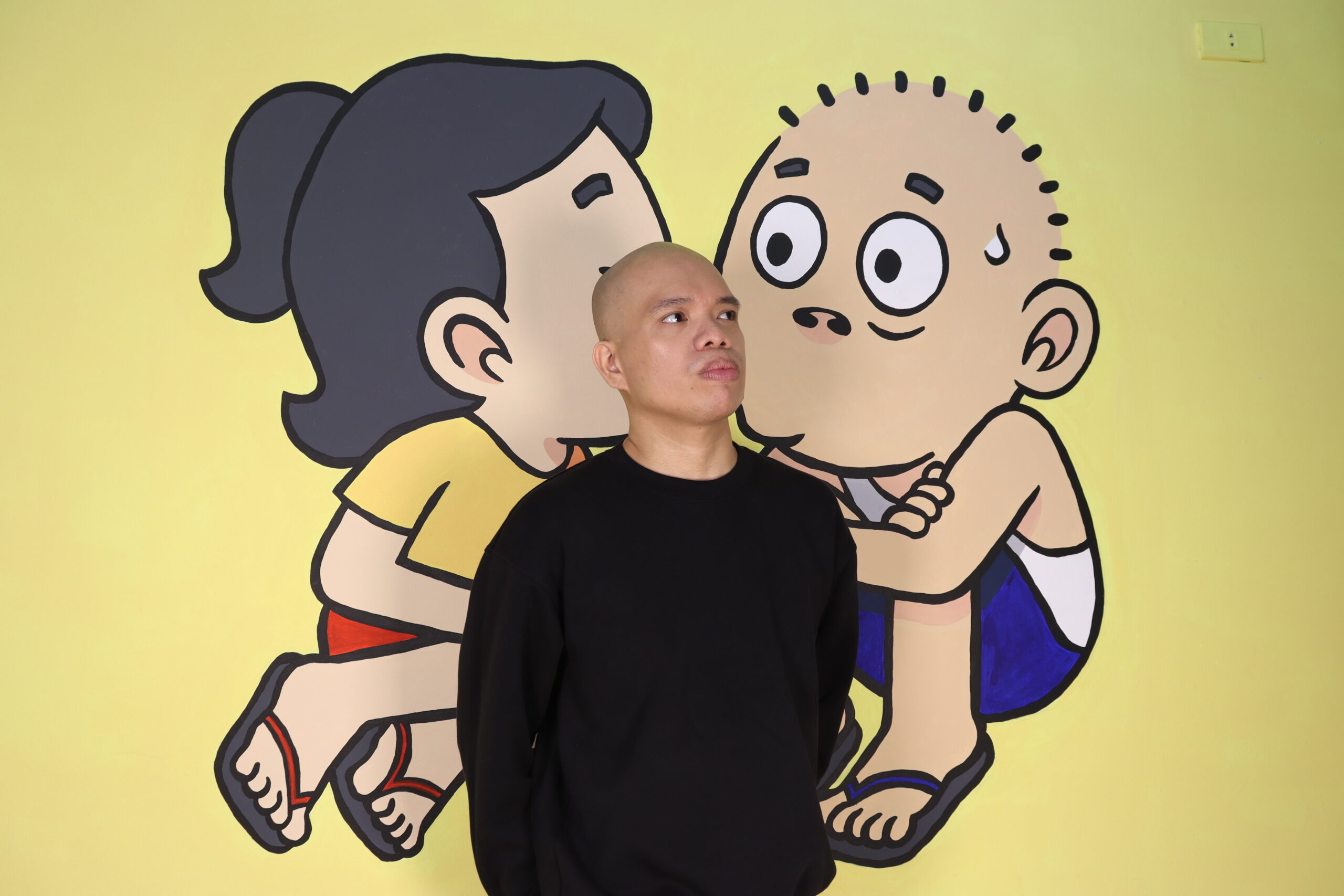
As his platform grew, so did his sense of responsibility. Raymundo is aware that each strip enters an already crowded and emotionally charged public space. “With a larger platform comes a responsibility to ensure my contributions are objective, well-reasoned, and constructive to the overall conversation,” he explains. In a culture where political discussions often turn personal, restraint becomes part of the message.
That same clarity extends to how he thinks about the audience. Raymundo does not create with a specific group in mind, nor does he tailor his work to please a particular demographic. Instead, relevance guides his process. “My creative process isn’t driven by a specific demographic, but by relevance,” he shares. He gravitates toward themes that resonate with the public at large, while also making room for niche topics he feels strongly about.
At the core of that approach is trust: trust in instinct and trust in the audience. “I create what I find meaningful, trusting that if it’s important to me, it will find its audience.” Rather than chasing attention, the work is allowed to circulate on its own terms.
Of course, relevance often invites resistance. Challenging political beliefs rarely goes unnoticed, and Raymundo is no stranger to criticism. He approaches it by separating intent from reaction. “When tackling contentious topics, I anticipate the friction,” he admits. Even so, he acknowledges that criticism can still hit hard. “I’m still human, sometimes it hits home.”
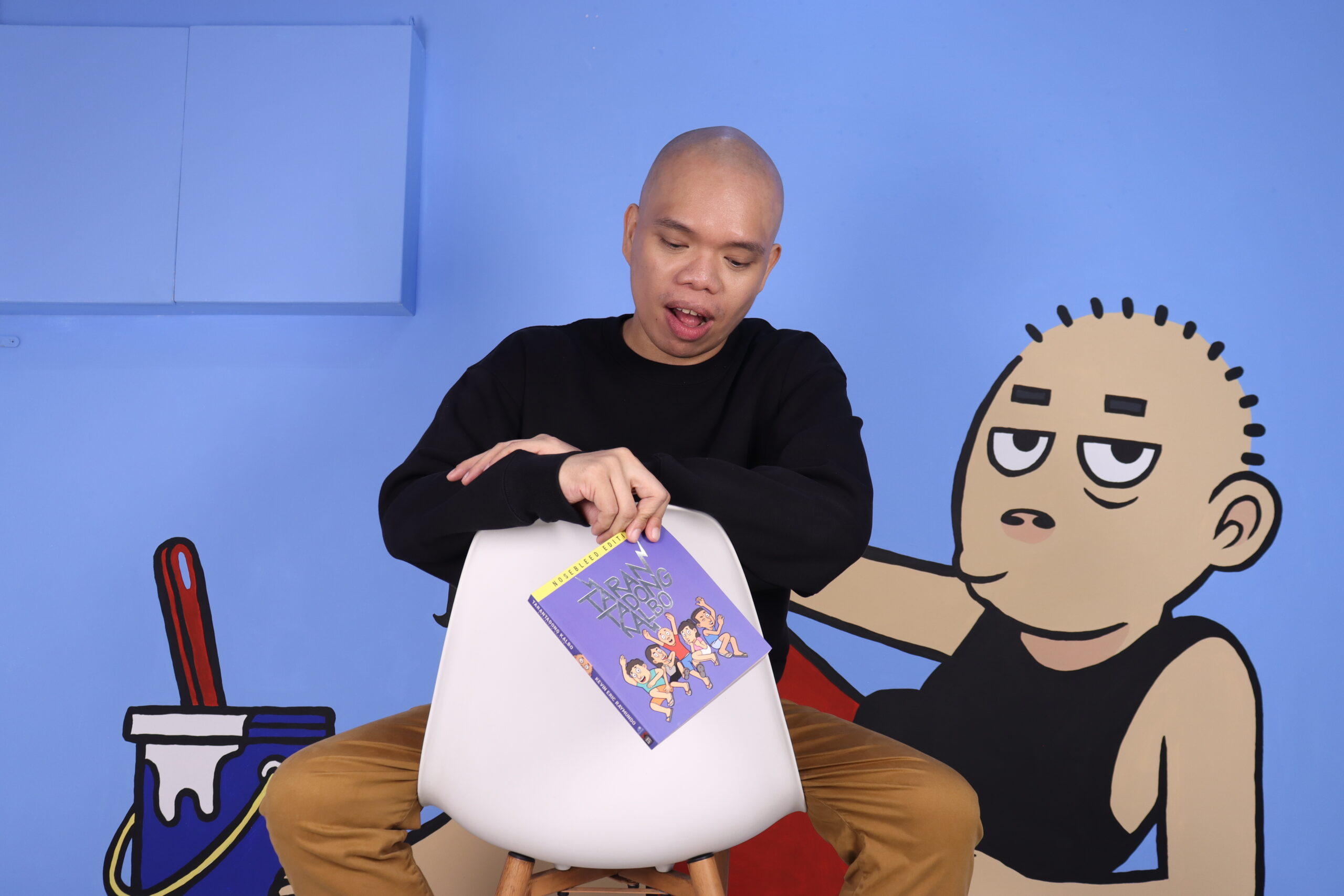
Over time, experience has built a certain resilience. Raymundo has learned to recognize which reactions deserve engagement and which do not. “My rule is to address bad-faith comments before they escalate and to stand my ground when it matters,” he says. When doubt surfaces, he looks inward and outward to the people whose judgment he respects. “If the people whose integrity and expertise I respect are in my corner, I know I’m on the right track.”
Satire itself plays a central role in how Raymundo navigates these tensions. For him, it is a tool for stripping away complexity, not avoiding it. Satire, he explains, works by exposing the absurdity beneath polished political language. Through irony and exaggeration, it highlights hypocrisy and punctures carefully constructed images.
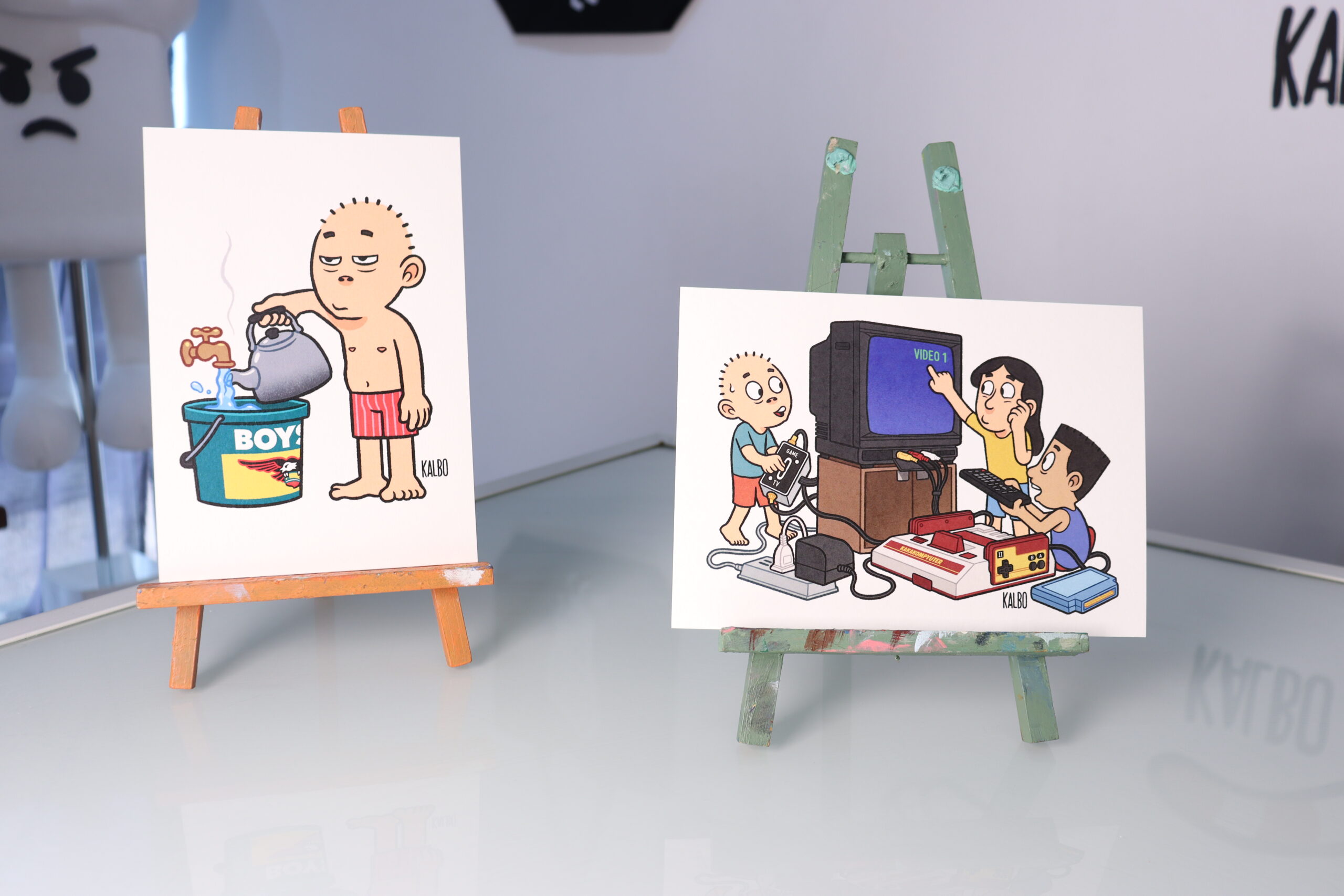
Politicians often rely on distance-formal language, controlled appearances, and an untouchable public persona. Satire collapses that distance. It pulls back the curtain, drawing attention to flaws, vanities, and contradictions that are otherwise ignored. In doing so, it makes power more visible and, therefore, more accountable.
In the Philippine context, Raymundo sees satire as especially important. It offers a way into political discourse for audiences who might otherwise tune out. For younger generations in particular, satire becomes what he calls a “soft entry” into serious news. By making dense topics approachable, humor reduces information fatigue, eases social tension, and creates a shared space for reflection and frustration.
Yet despite years of practice, hesitation never fully disappears. In fact, it appears often, almost routinely. “A lot,” Raymundo says when asked if he ever pauses before posting. “Almost all of my satirical posts have that effect.” There is always a moment of doubt, a brief internal check before clicking publish.
Most of the time, that hesitation ends the same way. “But I just say ‘f*ck it’ and post them anyway.”
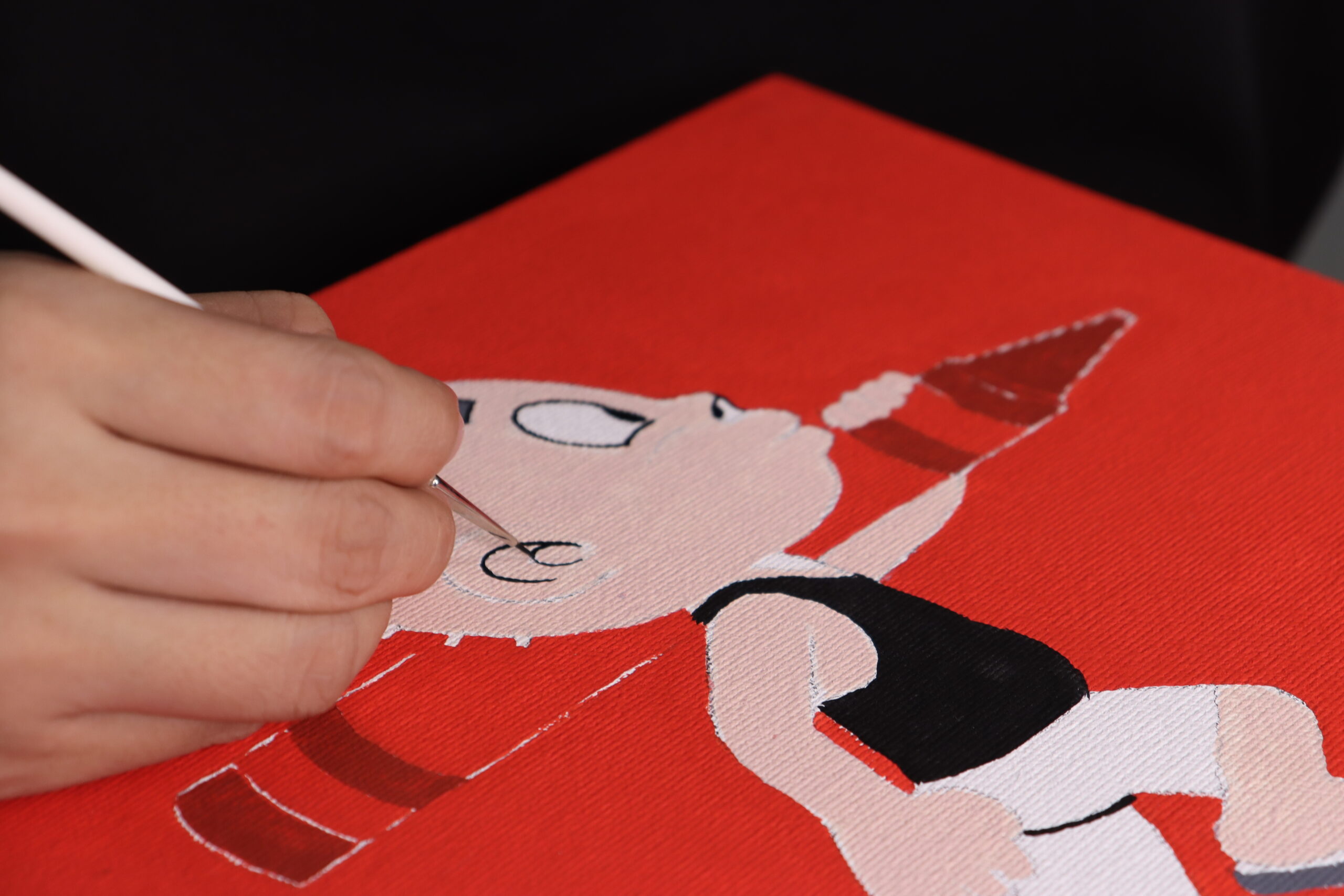
That choice captures the essence of Raymundo’s work. Social commentary, in his view, is not meant to be comfortable. It carries risk by design. Without that tension, satire loses its edge and its purpose. For Kevin Raymundo’s Tarantadong Kalbo, posting despite the pause is not recklessness. It is commitment to the conversation, exactly where it needs to be.